Twelve thousand delegates wore their own Android
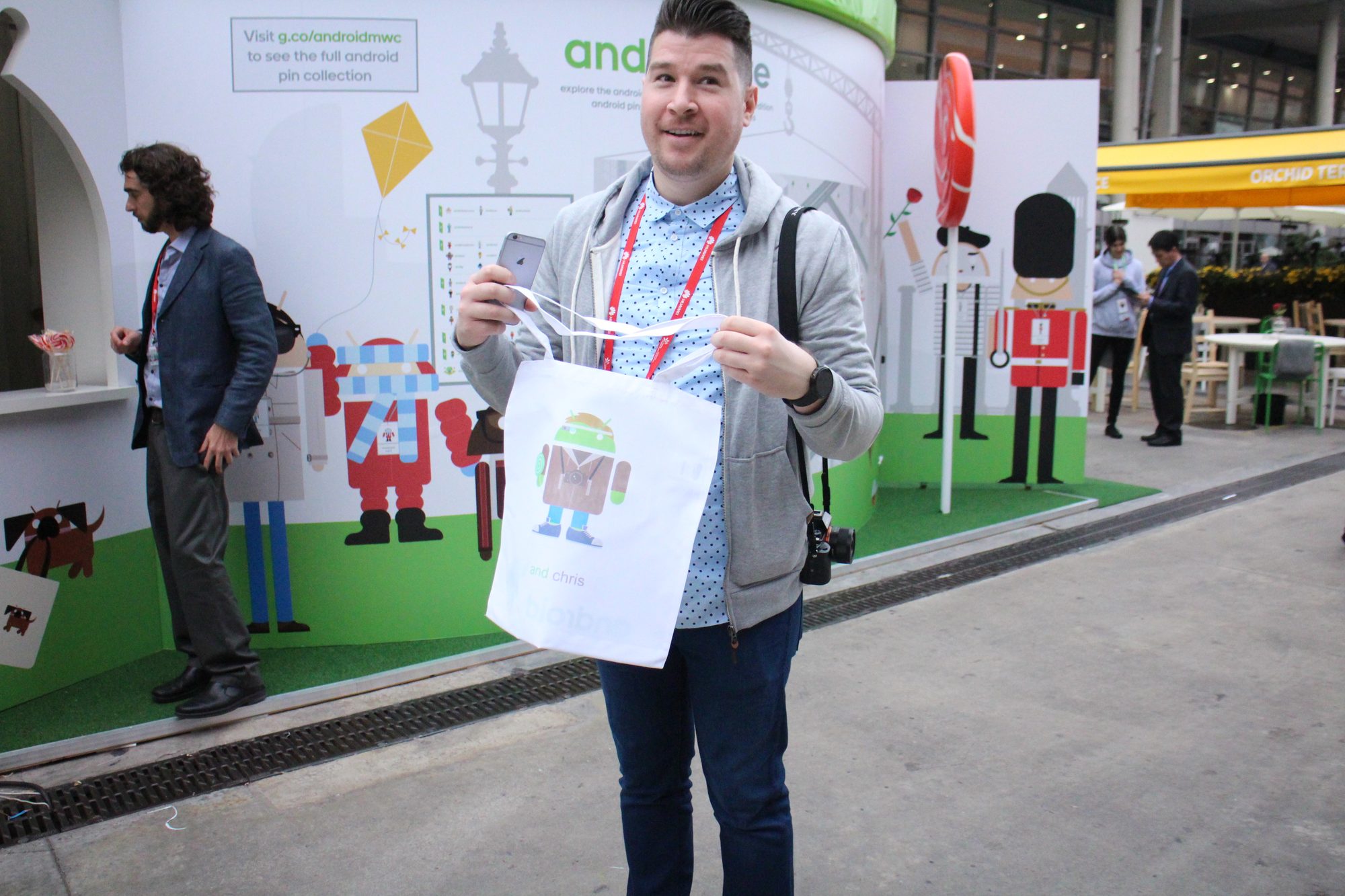
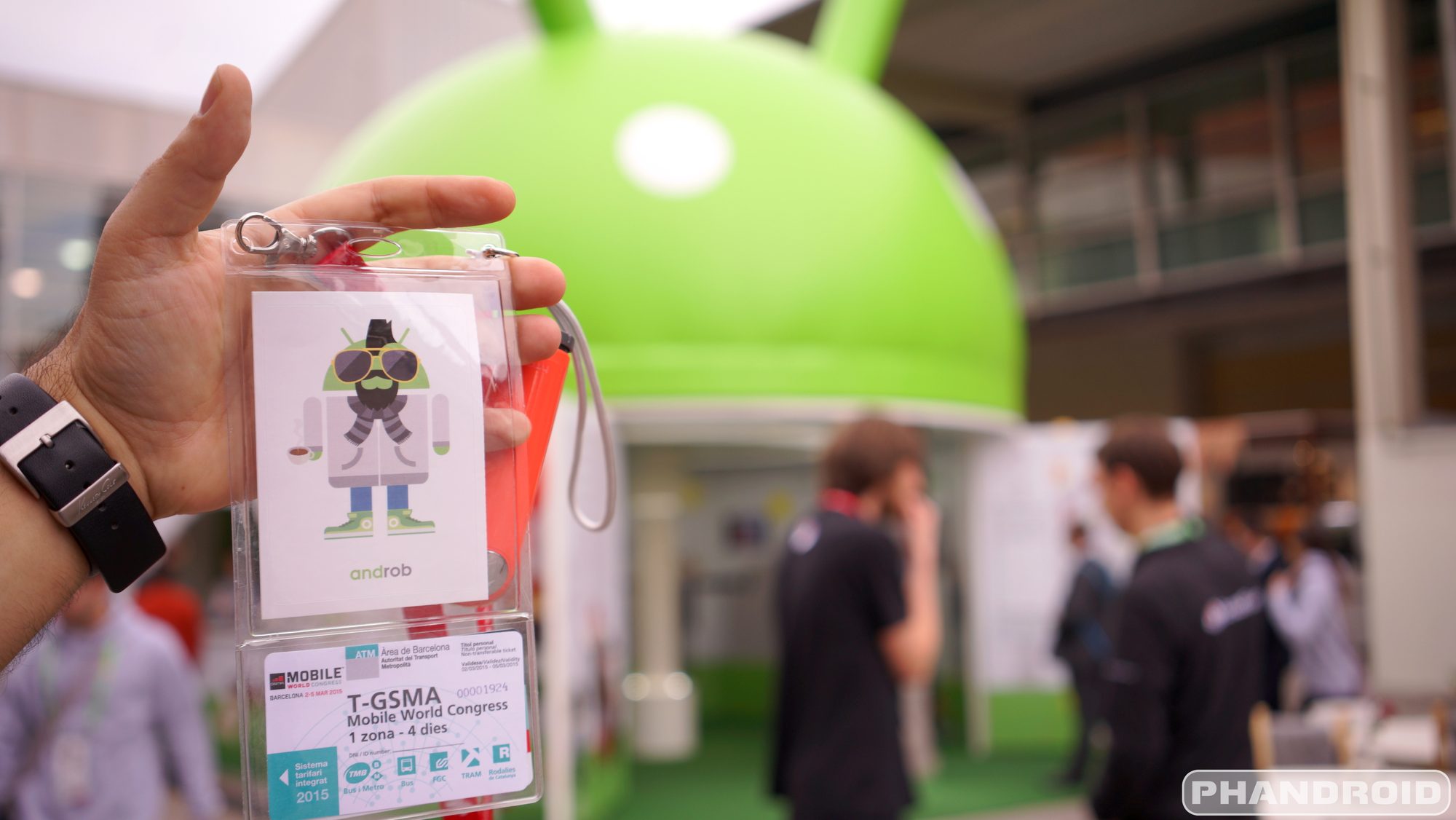
An avatar designer inside a giant green dome printed a personalised sticker for every lanyard at Mobile World Congress, three years running.
The brief
Google’s Android campaign, “Be Together. Not the Same.”, lived online as an avatar designer. Brand Fuel, the agency running Google’s presence at Mobile World Congress, wanted it to live on the ground too. The brief was to turn an existing web platform into a physical experience that thousands of delegates would want to walk into.
The real objective was belonging. Make guests feel personally part of the campaign, give them something to photograph, and give them a reason to talk about it.
The idea
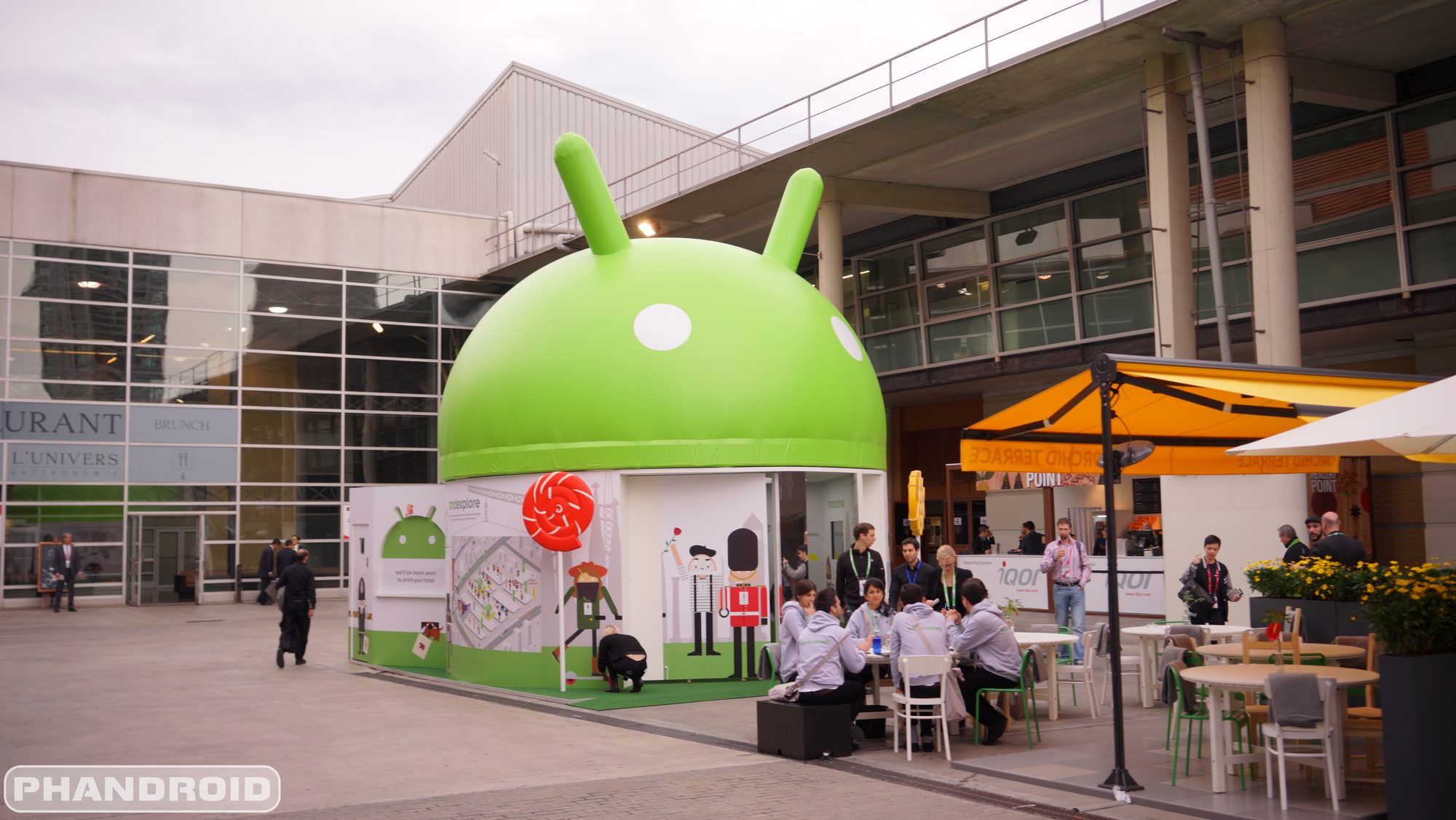
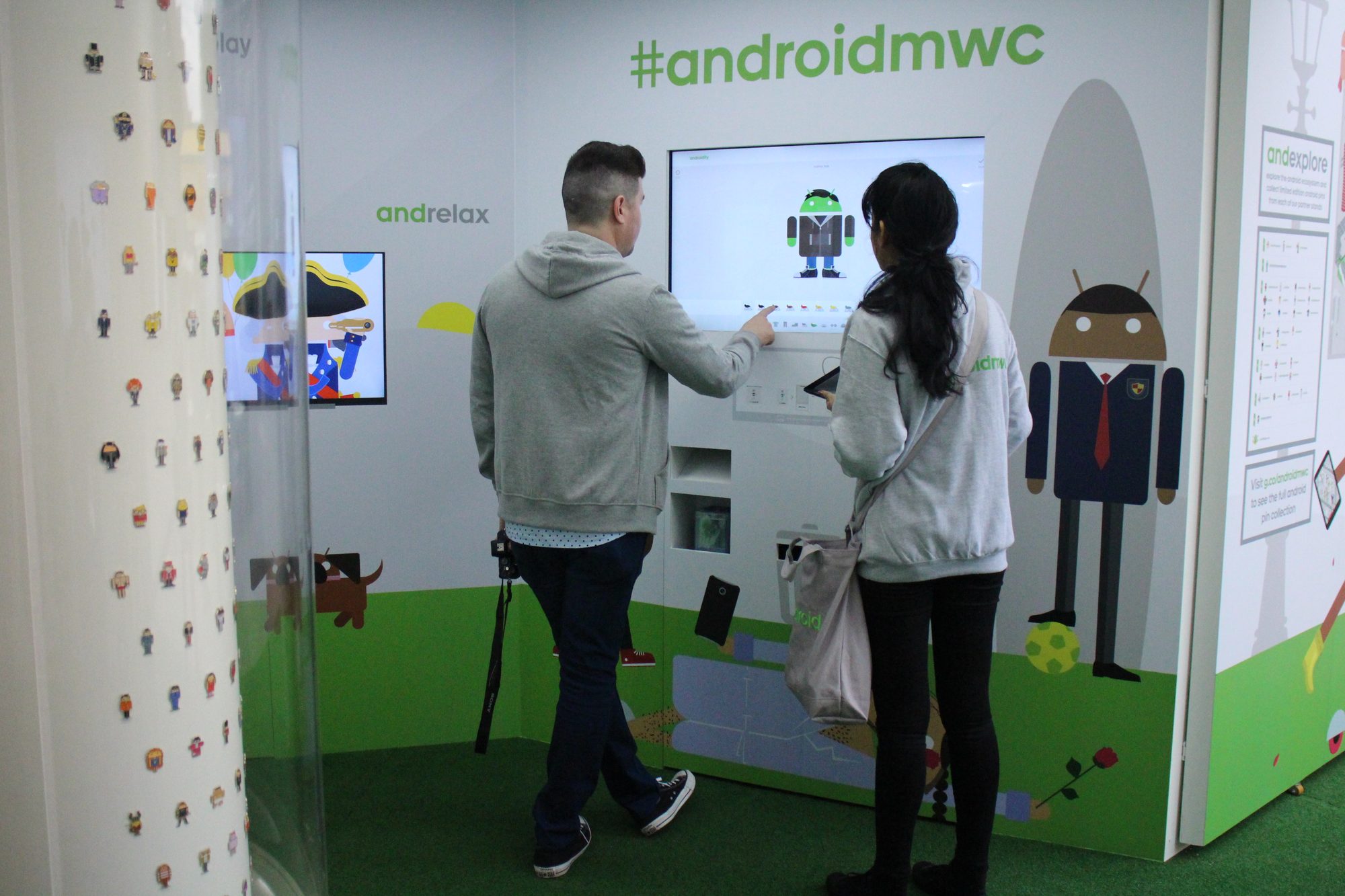
Design your own Android, then wear it. Guests stepped into a giant Android-shaped dome in Google’s outdoor area, built an avatar on a touchscreen (hats, glasses, body shape, outfit), typed their name, and a sticker printed for their lanyard. Thousands of delegates then carried their own Android around the congress on their chest, a walking gallery visible to everyone they met.
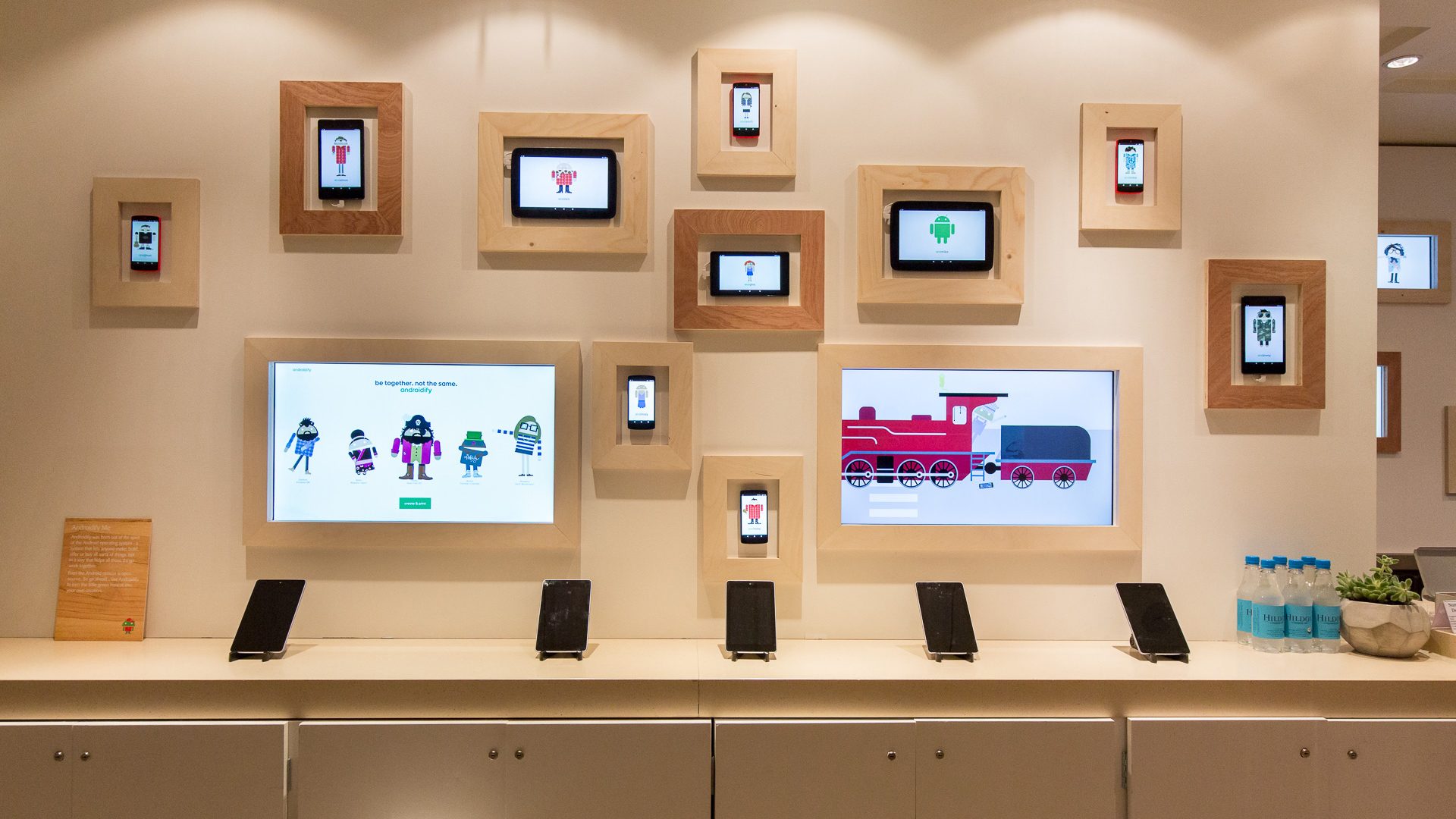
For Google Zeitgeist, a second variant: a wall of framed tablets showing the ten most recent avatars. Print yours and it appeared on the leftmost tablet, while everyone else’s shuffled along one. Personal creation became instant public display.
What guests did
They queued. Regularly, and at length, at every dome, every year it ran. Google’s executive leadership did it themselves. Sundar Pichai, not yet CEO at the time, designed his own Android and wore the sticker. Then came the moment that made the whole thing work: slotting the sticker into the lanyard, looking up, and seeing how many other people were walking the halls as themselves.
The build
The campaign’s web platform, built by The Barbarian Group, was adapted to run entirely locally on site, with a name step added at the front and a print pipeline at the back. GuestLab handled the experiential conversion, integration, printing systems, on-site setup and testing, and managed the process across all parties.
Each dome had around three design stations, with printers hidden behind the set and prints emerging through chutes. Multiple printers fed each set of stations so a jam never stopped the experience, and the team was on site for all three days to keep every dome running.
The Zeitgeist tablet wall threw up a gremlin: the charging cables for a wall of tablets generated enough interference to make the touchscreens misbehave. The fix was a hot-swap rotation, with spare tablets charging off the wall and swapped in before any unit ran low.
What happened
Around 12,500 stickers in a single congress, with the busiest day near 4,500. The installation ran at MWC in 2014, 2015 and 2016, and the Zeitgeist variant gave it a second life. In 2016 a Google executive who had seen it live asked to have it in the lobby at the Googleplex, and GuestLab helped set it up remotely. The client taking the experience home is still the strongest endorsement the project ever got.